Peptide Reconstitution Guide: How to Handle Research Peptides in UK Laboratories
Key takeaways
- What Is Peptide Reconstitution?
- The Reconstitution Protocol: Step by Step
- Reconstitution Solvents: Why Bacteriostatic Water?
- Compound-Specific Reconstitution Notes
Peptide reconstitution is one of the most critical steps in laboratory research with lyophilised compounds. For researchers across the UK — from London to Edinburgh, Manchester to Cardiff — proper reconstitution technique directly affects experimental results. This guide covers everything UK researchers need to know about reconstituting research peptides safely and accurately using the best peptides UK.
What Is Peptide Reconstitution?
When you buy peptides UK, they arrive as lyophilised (freeze-dried) powder in a sealed vial. Before use in laboratory research, the powder must be dissolved in an appropriate solvent — a process called reconstitution. For most peptides, the standard solvent is bacteriostatic water, which contains 0.9% benzyl alcohol as a bacteriostatic preservative.
For laboratories in Cambridge, Oxford, and Bristol, reconstitution might seem straightforward — but errors at this stage can compromise an entire experiment. Too much solvent and you dilute your peptide below the working concentration. Too little and you may not fully dissolve the powder. Too vigorous and you can denature the peptide. This guide covers the correct protocol for the highest purity peptides.
The Reconstitution Protocol: Step by Step
For researchers in Leeds, Sheffield, and Nottingham, here's the recommended reconstitution protocol for lyophilised research peptides:
Step 1: Allow the Vial to Reach Room Temperature
Before opening the vial, allow it to reach room temperature. This prevents condensation from forming inside the vial when you open it, which can introduce moisture and affect the peptide. For laboratories in Edinburgh and Glasgow where ambient humidity can be high, this step is particularly important.
Step 2: Add Bacteriostatic Water Slowly
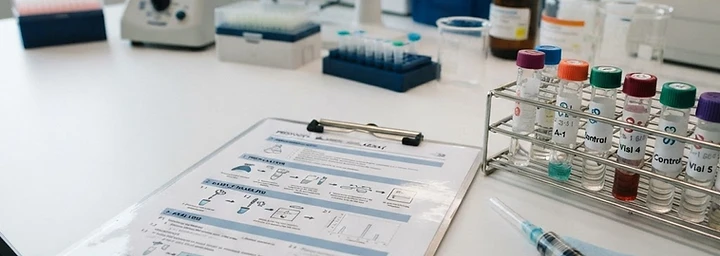
Using a sterile syringe, add the required volume of bacteriostatic water to the vial. Add the solvent slowly down the side of the vial, not directly onto the powder. This gentle approach prevents foaming and minimises the risk of denaturing the peptide.
For researchers in London, Manchester, and Birmingham, the volume of bacteriostatic water depends on the peptide and the desired concentration. For a 10mg vial of BPC-157 reconstituted with 2ml of bacteriostatic water, the concentration would be 5mg/ml. Always calculate the final concentration based on your experimental requirements.
Step 3: Gently Swirl — Never Shake
Once the bacteriostatic water is added, gently swirl the vial to help the powder dissolve. Never shake the vial vigorously — this can denature the peptide and create foam that affects concentration accuracy. For researchers in Cardiff, Liverpool, and Newcastle, this is one of the most common mistakes in peptide handling.
Step 4: Allow Complete Dissolution
Let the vial sit for 5-10 minutes to allow the peptide to fully dissolve. The solution should be clear, with no visible particles or cloudiness. If the powder doesn't fully dissolve, gently swirl again and wait a few more minutes. If the solution remains cloudy after 15 minutes, there may be a quality issue — contact your trusted peptide supplier UK.
Step 5: Store the Reconstituted Solution
Once dissolved, store the reconstituted peptide at 4°C (refrigerator) and use within the compound-specific timeframe. For most peptides, this is 5-14 days depending on the compound. Do not freeze the reconstituted solution unless you're aliquoting it into separate containers to avoid repeated freeze-thaw cycles.
Reconstitution Solvents: Why Bacteriostatic Water?
Bacteriostatic water is the standard reconstitution solvent for research peptides. Unlike sterile water for injection, which is single-use, bacteriostatic water contains 0.9% benzyl alcohol that inhibits bacterial growth, allowing the vial to be used for multiple reconstitutions over time.
For researchers in Aberdeen, Plymouth, and Norwich, using bacteriostatic water rather than sterile water means a single 10ml vial can reconstitute multiple peptide vials, making it more practical and economical. The best reviewed peptides should always be reconstituted with high-quality bacteriostatic water from a trusted peptide supplier UK.
Compound-Specific Reconstitution Notes
Different peptides have slightly different reconstitution characteristics. Here's what UK researchers need to know about the most common compounds:
Semaglutide and Tirzepatide: These GLP-1 receptor agonists dissolve readily in bacteriostatic water. For researchers in London and the South East, the reconstituted solution is stable for 5-7 days at 4°C.
BPC-157 and TB-500: These tissue repair peptides dissolve quickly and clearly. Laboratories in Manchester, Leeds, and Birmingham frequently order these for ongoing research programmes. Stable for 8-10 days at 4°C.
GHK-Cu: This copper peptide has a characteristic blue colour when reconstituted, which confirms the active copper-peptide complex. For researchers in Edinburgh and Glasgow, the blue colour is a visual indicator of quality. Stable for 10-14 days at 4°C.
CJC-1295/Ipamorelin: This growth hormone secretagogue blend should be reconstituted gently to avoid foaming. Stable for 7-10 days at 4°C.
Melanotan 2: This melanocortin receptor agonist dissolves readily. Stable for 5-7 days at 4°C, protected from light.
Common Reconstitution Mistakes to Avoid
For researchers across the UK — from Belfast to Cardiff, Aberdeen to Plymouth — here are the most common reconstitution mistakes and how to avoid them:
Shaking the vial: This is the most common mistake. Always swirl gently, never shake. Shaking denatures the peptide and creates foam that affects concentration accuracy.
Adding solvent directly onto the powder: This can cause localised concentration spikes and incomplete dissolution. Always add solvent down the side of the vial.
Not allowing the vial to reach room temperature: Opening a cold vial introduces condensation, which can affect the peptide. Always allow the vial to warm to room temperature first.
Using the wrong solvent: Always use bacteriostatic water from a trusted peptide supplier UK. Using tap water, saline, or other solvents can introduce contaminants or affect the peptide.
Not storing the reconstituted solution correctly: Reconstituted peptides should be stored at 4°C, not at room temperature or in the freezer (unless aliquoted). Follow the compound-specific storage timeframe.
Buying Reconstitution Supplies in the UK
When you buy peptides UK, always order bacteriostatic water at the same time. HPLC Peps supplies USP-grade bacteriostatic water in 10ml multi-use vials, perfect for reconstituting our entire range of the highest purity peptides.
As a trusted peptide supplier UK, we recommend pairing bacteriostatic water with any lyophilised peptide order. It's the standard reconstitution solvent for our entire catalogue, from semaglutide and tirzepatide to BPC-157, TB-500, and GHK-Cu.
Conclusion: Reconstitution Best Practices for UK Researchers
Proper reconstitution is essential for getting the most out of your research peptides. By following the protocol in this guide — allowing the vial to warm, adding solvent gently, swirling (never shaking), and storing correctly — you ensure that the highest purity peptides from HPLC Peps remain at full potency throughout your study.
For researchers across the United Kingdom — from London to Edinburgh, Manchester to Cardiff — HPLC Peps is your trusted peptide supplier UK for both the best peptides UK and the laboratory essentials to support them. Browse our catalogue, view our lab results, and buy peptides UK with confidence.
UK Locations Mentioned in This Article
From the locations referenced above to laboratories nationwide — HPLC Peps delivers research peptides across Britain.


Related Research Compounds
Lab-verified, 99%+ purity compounds relevant to this research — each with a published Certificate of Analysis.


Bacteriostatic Water 10ml
0.9% benzyl alcohol bacteriostatic water — 10ml for laboratory reconstitution. USP grade.


Bacteriostatic Water 3ml
0.9% benzyl alcohol bacteriostatic water — 3ml for laboratory reconstitution. USP grade.


Semaglutide 30mg
GLP-1 receptor agonist — 30mg lyophilised research compound. Lab-verified, 99%+ purity.
Research-grade peptides for your laboratory
Browse the shop