GHRP-6
Growth Hormone Research
Comprehensive scientific reference for GHRP-6 — covering mechanism of action, peer-reviewed research studies with citations, UK laboratory supplier locations, and keyword resources for research compound procurement.
Mechanism of Action
GHRP-6 (Growth Hormone Releasing Peptide-6) is a first-generation synthetic hexapeptide (His-D-Trp-Ala-Trp-D-Phe-Lys-NH2) that acts as a ghrelin receptor (GHS-R1a) agonist, belonging to the same peptide class as GHRP-2. Like GHRP-2, GHRP-6 activates Galphaq/PLCbeta/IP3/PKC signalling in pituitary somatotropes upon GHS-R1a binding, stimulating GH release through a pathway distinct from GHRH/cAMP signalling. GHRP-6 is studied alongside GHRP-2 for comparative ghrelin receptor agonism research: while both are GHS-R1a agonists, they differ in potency and selectivity profiles. GHRP-6 is generally considered slightly less potent than GHRP-2 in GH release but may produce more pronounced appetite stimulation, reflecting the ghrelin receptor's role in hunger signalling. As a first-generation GHRP, GHRP-6 is studied for its effects on GH release, appetite regulation, and energy homeostasis signalling, and is often paired with GHRH analogues for combined GHRH-ghrelin receptor pathway research. The peptide's historical significance as one of the first identified growth hormone secretagogues makes it a reference compound in ghrelin receptor pharmacology.
Research Studies & Citations
GHRP-6: First-Generation GH Secretagogue
1999Bowers CY et al. · Endocrine Reviews
Comprehensive review of GHRP-6 as a first-generation ghrelin receptor agonist, characterising its GH-release and appetite-stimulating activity.
GHRP-2 vs GHRP-6: Comparative Ghrelin Receptor Agonism
1998Raun K et al. · European Journal of Endocrinology
Comparative study of GHRP-2 and GHRP-6, characterising differences in potency, GH-release profile, and appetite stimulation.
Ghrelin Receptor and Energy Homeostasis
2005Kojima M et al. · Nature Reviews Neuroscience
Review of ghrelin receptor signalling in GH release and appetite regulation, providing context for GHRP-6 research.
These citations are provided for research reference purposes only. HPLC Peps supplies GHRP-6 strictly for laboratory research use. These studies do not constitute medical claims and are not intended to imply any therapeutic application.
UK Supplier Coverage
Comparative ghrelin receptor research at the University of Leeds and the University of Birmingham source GHRP-6 from HPLC Peps for first-generation GHS-R1a studies, selecting HPLC verified peptides UK for consistent GH release assay data. From York's appetite signalling groups to Newcastle's endocrine physiology laboratories, researchers buy peptides UK from HPLC Peps as their peptide supplier UK because our highest purity peptides carry published COAs confirming 99%+ purity.
Research Keywords
Buy GHRP-6 UK
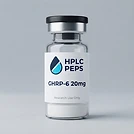
Ghrelin receptor agonist (GHS) — 20mg lyophilised research peptide. Lab-verified, 99%+ purity. Best UK peptides. Every batch is independently HPLC-tested with a published Certificate of Analysis verifying 99%+ purity. For professional laboratory research only.
Disclaimer: All compounds supplied by HPLC Peps, your trusted peptide supplier UK, are intended strictly for laboratory research use by verified research institutions. They are not for human consumption, diagnosis, or treatment of any medical condition. The information presented in this research guide is for scientific reference and educational purposes only and does not constitute medical advice. Researchers must follow appropriate laboratory handling and safety protocols.