
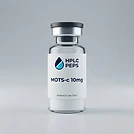
MOTS-c
Metabolic Research
Comprehensive scientific reference for MOTS-c — covering mechanism of action, peer-reviewed research studies with citations, UK laboratory supplier locations, and keyword resources for research compound procurement.
Mechanism of Action
MOTS-c stands out among research chemicals UK for mitochondrial signalling research as a 16-amino acid mitochondrial-derived peptide encoded by a short open reading frame within the mitochondrial 12S rRNA gene — representing a unique class of signalling molecules transcribed from the mitochondrial genome rather than nuclear DNA. MOTS-c functions as a mitochondrial-to-nuclear retrograde signalling molecule, communicating mitochondrial metabolic state to nuclear gene expression programs. Its primary mechanism involves activation of AMP-activated protein kinase (AMPK) — the master cellular energy sensor — in skeletal muscle and liver, mimicking the metabolic effects of exercise. AMPK activation by MOTS-c enhances insulin sensitivity through increased glucose uptake (GLUT4 translocation), stimulates fatty acid oxidation, and suppresses hepatic gluconeogenesis through downregulation of gluconeogenic gene expression (PEPCK, G6Pase). Additionally, MOTS-c modulates the folate-methionine cycle, altering the cellular availability of metabolic intermediates that influence energy metabolism. The peptide's unique mitochondrial origin and AMPK-centred mechanism distinguish it from nuclear-encoded peptides and make it a valuable research tool for studying mitochondrial-nuclear crosstalk in metabolic regulation and exercise adaptation signalling.
Research Studies & Citations
MOTS-c: A Mitochondrial-Encoded Peptide Regulating Metabolism
2015Lee C et al. · Cell Metabolism
Discovery paper identifying MOTS-c as a mitochondrial-derived signalling peptide, characterising its AMPK activation mechanism and metabolic effects in preclinical models.
MOTS-c and Exercise Adaptation Signalling
2019Reynolds JC et al. · Nature Communications
Study demonstrating MOTS-c's role in exercise-induced metabolic adaptation, showing AMPK-mediated enhancement of insulin sensitivity and glucose homeostasis.
Mitochondrial-Derived Peptides in Metabolic Health
2017Kim KH et al. · Trends in Endocrinology & Metabolism
Comprehensive review of MOTS-c and related mitochondrial-derived peptides as metabolic regulators, covering AMPK pathway mechanisms and therapeutic potential.
These citations are provided for research reference purposes only. HPLC Peps supplies MOTS-c strictly for laboratory research use. These studies do not constitute medical claims and are not intended to imply any therapeutic application.
UK Supplier Coverage
Mitochondrial biology groups at the University of Cambridge and the University of Plymouth source MOTS-c from HPLC Peps for AMPK signalling research, selecting our HPLC verified peptides UK for reproducible kinase assay data. From York's metabolic research laboratories to Coventry's biotech firms, researchers buy peptides UK from HPLC Peps as their peptide supplier UK because our highest purity peptides ship with published COAs confirming 99%+ purity — the benchmark for the best peptides UK.
Research Keywords
Buy MOTS-c UK
Mitochondrial-derived peptide — 10mg lyophilised research peptide. Lab-verified, 99%+ purity. Best UK peptides. Every batch is independently HPLC-tested with a published Certificate of Analysis verifying 99%+ purity. For professional laboratory research only.
Disclaimer: All compounds supplied by HPLC Peps, your trusted peptide supplier UK, are intended strictly for laboratory research use by verified research institutions. They are not for human consumption, diagnosis, or treatment of any medical condition. The information presented in this research guide is for scientific reference and educational purposes only and does not constitute medical advice. Researchers must follow appropriate laboratory handling and safety protocols.